Finding reliable sources for Traction Truck Partsis super important if you’re in the trucking game. Back in 2022, the worldwide market for Commercial Vehicle Parts hit around $250 billion, and it’s been growing steadily—so there's definitely a lot of room for everyone! But honestly, sourcing these parts efficiently can make a huge difference—cutting down costs and keeping trucks on the road instead of in the shop. The tricky part? A lot of companies struggle to find trustworthy suppliers they can count on.
A report from IHS Markit even pointed out that about 25% of industry folks are having a tough time with parts procurement. That’s a pretty clear sign that many are facing bottlenecks when it comes to keeping their fleets running smoothly. So, one key thing is building solid relationships with vendors who are reliable—nothing beats working with folks you can trust. Otherwise, bad sourcing can lead to delays and higher operational costs, which nobody has time or patience for.
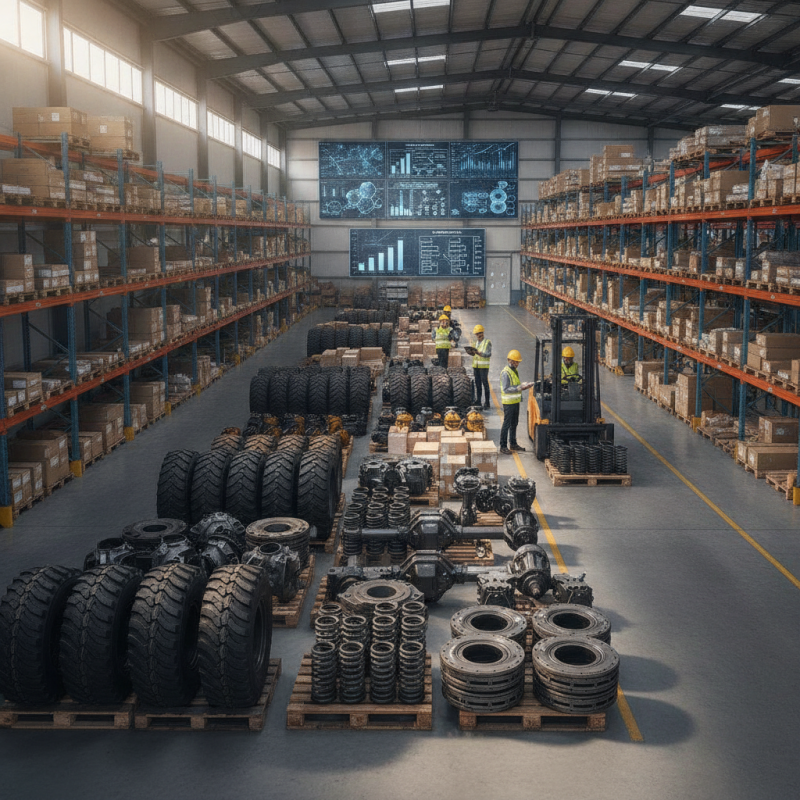
And let’s not forget, logistics can get pretty complicated. Sometimes, companies overlook how important good inventory management is. Being proactive about sourcing your Traction Truck Parts can really help with forecasting needs and keeping your stock levels in check. Using data-driven tools and solutions? That's pretty much essential these days to stay ahead. Finding the right balance between cost and quality? Yeah, that’s a challenge many face, but regularly reviewing your suppliers to make sure they’re still up to the mark is a smart move overall.
Understanding the Importance of Sourcing Traction Truck Parts
Sourcing traction truck parts is critical for maintaining operational efficiency. Research indicates that up to 30% of fleet downtime is due to parts unavailability. This emphasizes the need for a reliable sourcing strategy. Companies must assess their suppliers' inventory turnover rates. Fast-moving parts should be readily available to minimize delays.
Understanding the importance of sourcing can lead to significant cost savings. According to industry data, effective sourcing strategies can reduce maintenance costs by as much as 20%. It’s essential to build relationships with suppliers who prioritize quality. Regular audits can ensure that the parts meet safety and performance standards.
Engaging with multiple suppliers can also create competitive pricing. However, over-reliance on a single source can be risky. Diversifying suppliers mitigates that risk but adds complexity. Keeping track of parts inventory is not just about quantity; it’s also about knowing when to reorder. A clear overview of what’s needed streamlines operations. Efficient use of Tow Truck Parts can significantly impact overall profitability and service quality.
Identifying Key Parts Needed for Traction Trucks
Identifying key parts needed for traction trucks is crucial for efficient sourcing. A comprehensive understanding of essential components can save time and resources. Studies reveal that traction trucks primarily rely on parts like drive shafts, axles, and suspensions. According to industry reports, drive shafts account for a significant proportion of maintenance costs, up to 30%. Prioritizing these parts helps in reducing long-term expenses.
When sourcing Truck Cap Parts, it's essential to consider the specific needs of your fleet. Focus on parts that have a high failure rate or critical performance implications. For instance, studies indicate that failing axles can lead to costly downtime. Each part must be selected based on reliability and compatibility with existing systems. This approach ensures that you do not face unexpected failures.
Understanding the market dynamics is another key factor. Data suggests that sourcing parts from reliable suppliers can decrease lead times significantly. However, not all suppliers meet strict quality standards. Engaging with suppliers who are known for their rigorous testing can enhance overall equipment performance. Beware of opting for the lowest price as it may compromise quality. An informed decision-making process can mitigate risks associated with unreliable parts.
Researching Reliable Suppliers and Manufacturers
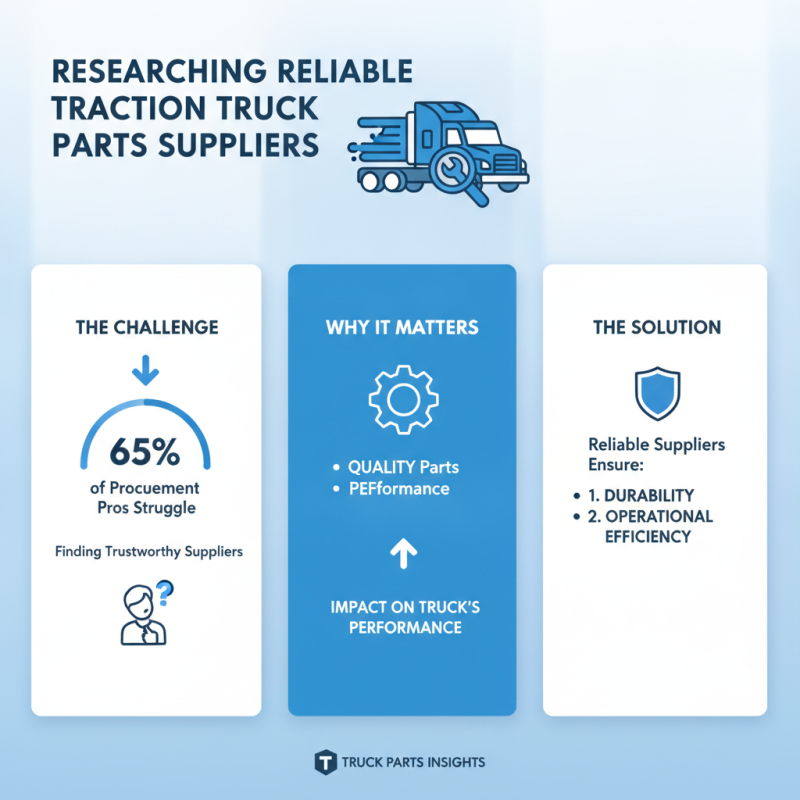
When sourcing traction truck parts, identifying reliable suppliers and manufacturers is crucial. According to a recent industry report, 65% of procurement professionals face challenges in finding trustworthy suppliers. The right supplier ensures both quality and efficiency, which can significantly impact the performance of the truck.
Consider using online directories and platforms to research suppliers. These resources often include ratings, reviews, and contact details. It's essential to compare multiple options. Not every supplier will meet your specific needs. Pay attention to their delivery timelines and return policies. Companies often overlook these factors but they can save you time and money down the line.
Engaging in industry forums and trade shows can provide insights into supplier reputations. Peer recommendations often lead to reliable partnerships. Whether it’s a large manufacturer or a small specialized vendor, understanding their background and customer feedback is key. A Nielsen report indicates that 74% of buyers value transparency in supplier relationships. A proactive approach can help mitigate risks and enhance the sourcing process.
Evaluating Quality Standards for Truck Parts
When sourcing traction truck parts, evaluating quality standards is crucial. High-quality parts ensure better performance and longevity. Look at the materials used. Steel and aluminum are common choices. They offer strength and durability. Cheap plastics may crack easily and compromise safety.
Inspect the certifications of suppliers. They should adhere to industry standards. ISO certifications can provide some assurance. Visiting production facilities can reveal more about quality control processes. Check for customer reviews, too. Other buyers often share insights into their experiences with specific parts. Be cautious of overly positive feedback; some may be unreliable.
When comparing options, pay attention to details. Warranty terms vary widely. Some manufacturers provide extended warranties, indicating confidence in their products. Verify return policies as well. A flexible return policy shows a commitment to quality. Sources like industry forums and expert blogs can offer guidance. Remember, not every part labeled "All Truck Parts" guarantees quality. Investigate thoroughly to ensure reliable components for your trucks.
Comparing Costs and Establishing a Budget
Establishing a budget for sourcing traction truck parts is crucial for fleet managers. According to industry reports, parts procurement accounts for about 30% of fleet operating costs. Understanding this can help significantly affect the bottom line. Exploring various suppliers can reveal discrepancies in pricing. A recent survey showed that organizations that compare costs effectively save an average of 20% on parts. It’s essential to consider factors like shipping fees and warranty options in the overall budget.
To make informed decisions, fleet managers should gather data on part longevity and reliability. Studies indicate that investing in high-quality components may lead to lower maintenance costs in the long run. However, choosing cheaper parts can sometimes yield unexpected failures. These failures lead to increased downtime and repair costs. It’s not uncommon for companies to overlook the long-term implications of their initial choices. Navigating these trade-offs requires careful analysis and sometimes a bit of trial and error. This approach can cultivate a deeper understanding of the true costs associated with various options.
Ultimate Tips for Sourcing Traction Truck Parts Efficiently
| Part Type | Average Cost ($) | Supplier Rating (1-5) | Lead Time (Days) |
| Brake Pads | 150 | 4.2 | 7 |
| Tires | 600 | 4.5 | 14 |
| Fuel Filter | 75 | 4.0 | 5 |
| Battery | 300 | 4.3 | 10 |
| Alternator | 250 | 4.4 | 12 |
Establishing a Supply Chain for Timely Deliveries
Establishing a reliable supply chain is critical for sourcing traction truck parts. Timely deliveries play a vital role in keeping operations smooth. When developing a supply chain, identifying trusted suppliers is key. Research potential partners, and check their history with other clients. This background can reveal much about their reliability and quality.
Communication is essential in maintaining a strong relationship with suppliers. Regular updates on inventory will prevent delays. Consider using technology to streamline these communications. Tracking orders can also help identify potential hazards early. It’s challenging to maintain consistent quality without proper oversight.
Sometimes, suppliers may fail to deliver on time. Reflect on how these delays can impact your operations. If issues arise, assess the situation with the supplier. Discussing problems openly can lead to better solutions. It's important to remain flexible and willing to adapt. Learning from these challenges will improve future sourcing of traction truck parts or even Fire Truck Parts.
Ultimate Tips for Sourcing Traction Truck Parts Efficiently
Utilizing Technology for Efficient Sourcing Processes
Utilizing technology in sourcing traction truck parts can greatly enhance efficiency. According to a 2022 industry report, over 70% of fleet managers now utilize digital platforms for procurement. These tools streamline the sourcing process, reduce time delays, and improve cost management.
E-commerce solutions enable quicker access to parts. A recent study showed that companies utilizing online sourcing saw a
25% reduction in lead times. Automation plays a key role as well, with AI-driven inventory management systems predicting demand fluctuations. However, relying solely on technology poses challenges. Not all suppliers adopt new systems, which can create communication gaps.
Data analytics provides insights into purchasing trends. This helps companies make informed decisions. Yet, the reliance on data must be balanced with human judgment. Understanding the nuances of the supply chain is
critical. Overlooking this can lead to suboptimal sourcing choices.
Embracing technology is essential, but human expertise remains invaluable. This blend of tech and knowledge can lead to successful sourcing processes.
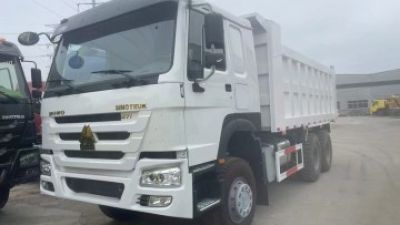
Exploring the Value of Sinotruk HOWO 371HP 6X4 Used Dump Trucks: A Comprehensive Guide for Buyers
When considering the purchase of a used dump truck, the value of spaciousness and comfort should not be overlooked. A well-designed cab can greatly enhance the driving experience, allowing the driver to work for extended periods without fatigue. Many used dump trucks feature spacious interiors and ergonomic layouts, making it easier for both the main driver and passengers to navigate within the vehicle. Some models also incorporate a flat floor design that improves accessibility and comfort, ensuring that long hauls become less strenuous.
In addition to a comfortable environment, the features of a used dump truck often include humanised configurations that elevate the driving experience. Equipped with multi-function steering wheels, automatic air conditioning, and airbag shock-absorbing seats, these trucks cater to the needs of the driver, providing an adaptable driving environment. Such configurations contribute significantly to reducing physical strain during long hours on the road, ensuring that operators can focus on their tasks with greater efficiency.
The power and carrying capacity of these trucks are equally impressive. With robust engines that handle heavy loads with ease and larger cargo boxes designed for various transport needs, these vehicles are ideally suited for a broad range of working conditions. Their wheelbase and construction can offer unique advantages tailored to specific operational requirements, making them a viable option for businesses looking to invest in reliable transportation solutions.
FAQS
: Identifying key parts is crucial for efficient sourcing and can save time and resources.
Traction trucks rely on parts like drive shafts, axles, and suspensions.
Drive shafts account for up to 30% of maintenance costs.
Focus on parts with high failure rates and critical performance implications.
Reliable suppliers can decrease lead times and enhance equipment performance.
65% of procurement professionals struggle to find trustworthy suppliers.
Use online directories, compare ratings and reviews, and assess delivery timelines.
74% of buyers value transparency, which builds trust and mitigates risks.
They provide insights into supplier reputations and peer recommendations.
Opting for low prices can compromise quality and lead to unexpected failures.
Conclusion
Efficient sourcing of Traction Truck Parts is crucial for maintaining operational effectiveness and minimizing downtime in trucking operations. Understanding the significance of these components allows operators to identify the key parts needed for optimal performance. Researching reliable suppliers and manufacturers is a fundamental step in this process, ensuring that only high-quality parts are procured.
Furthermore, evaluating quality standards helps in selecting the best components, while comparing costs aids in budgeting for purchases. Establishing a reliable supply chain is essential for timely deliveries, which can significantly enhance operational efficiency. Utilizing technology can streamline the sourcing process, making it easier to manage inventory and track orders, ultimately leading to more effective management of Traction Truck Parts.